
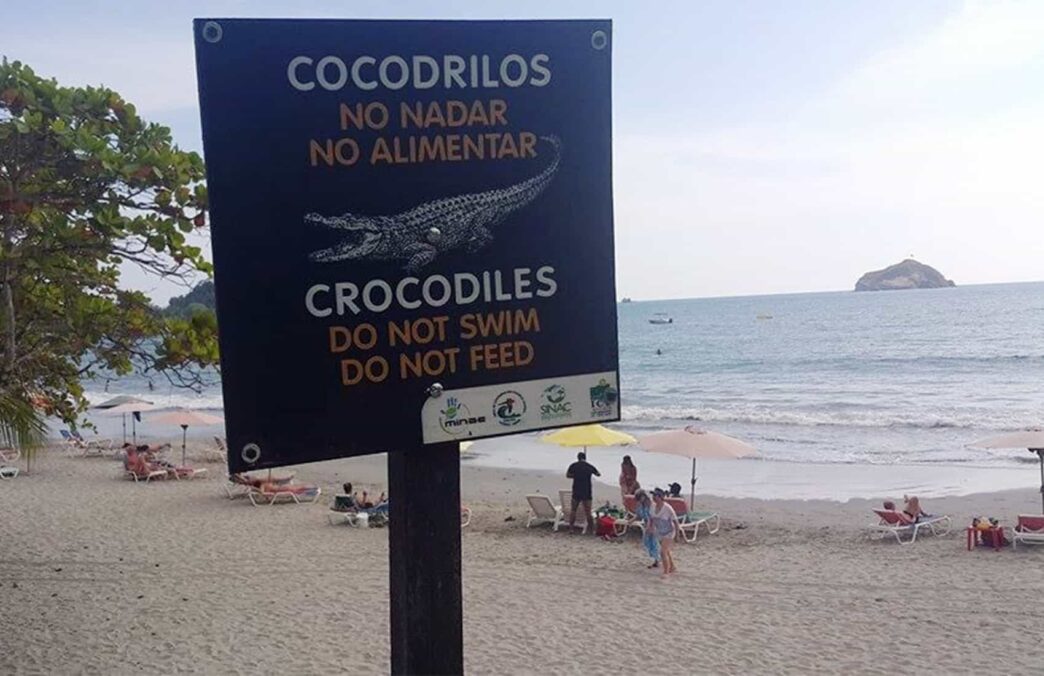
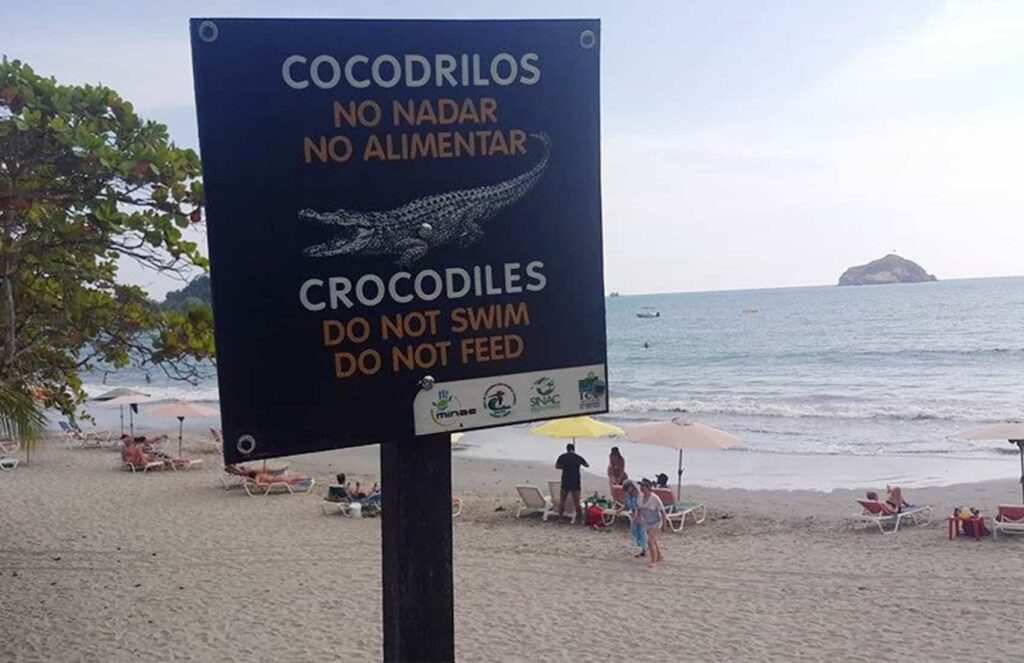
Costa Rica draws surfers from everywhere with its steady swells and warm water. But at some breaks, especially those near river outlets, American crocodiles sometimes join the session. These animals move between fresh and salt water, and they show up where rivers meet the ocean.
Recent reports highlight sightings at places like Playa Hermosa and Tamarindo, where crocs cruise through the shore break or along the inside.
This post lays out the details for surfers heading to Costa Rica, including families with young riders or people new to the area. It covers the reasons for these encounters, specific locations, who can handle them, and how to stay safe without cutting your trip short.
Why Crocodiles Appear at Costa Rica Surf Spots
American crocodiles in Costa Rica handle both river and coastal environments. They grow large, often over 15 feet, and patrol areas with easy food sources. Many top breaks sit near river mouths because the outflow shapes sandbars and points that create clean waves. This setup draws crocodiles too, as rivers bring fish and other prey into the mix.
Sightings tie closely to geography. Estuaries and mangrove areas act as paths for these animals, letting them shift between habitats. During the wet months, heavy rain increases river flow, pushing crocodiles downstream and into murkier coastal waters. Low visibility after storms makes it harder to spot them. Popular beaches see more reports simply because more people film and share what they see.
Attacks on surfers remain rare, with notable cases from years like 2015 and 2016 in Tamarindo, where people crossed estuary channels. No major incidents turned up more recently, but ongoing sightings remind everyone that these spots mix wild nature with recreation. Crocodiles usually avoid people, but they defend territory or react if startled. The key is recognizing the overlap: good waves often line up with their travel routes.
Times of day matter. Early morning and late afternoon see more activity from crocodiles, matching their hunting patterns. After rain, brown water signals higher odds of movement. Human factors play in too—busy areas like tourist beaches amplify awareness through social shares and news alerts.
Common Breaks with Crocodile Sightings
Reports focus on Pacific coast spots where rivers and mangroves meet the sea. These aren’t places to skip entirely, but they call for extra care.
Tamarindo and Playa Grande stand out. The estuary here supports tours for birds and other animals, sitting right next to beginner-friendly waves. Surfers often give the river mouth a buffer, avoiding paddles across channels that look like shortcuts. Recent clips from 2025 show crocodiles in the shorebreak, framed as part of the local scene.
Boca Barranca offers long left points, but its river connection adds hazards like pollution and wildlife. Guides note crocodiles as a regular factor, alongside the wave’s pull toward the river side. Entry and exit points need thought to avoid drifting too close.
The Esterillos area hosts events and sees pauses for sightings, even in daylight with crowds. Streams and lowlands nearby create the conditions. It’s a reminder that organization doesn’t remove nature’s role.
Jacó and other Central Pacific towns like Playa Hermosa draw visitors for lessons and rentals. Rivers flow in, and recent reports describe crocodiles in the lineup at Hermosa, where surfers respect the animals as locals. Beginners linger in shallow zones, overlapping with possible croc paths. Other mentions include Playa Grande for its estuary ties and general warnings at river-influenced beaches.
This list highlights patterns: avoid estuary edges, check for mangroves, and ask locals about recent activity. Surf reports sometimes note crocs casually, like wind or tide updates.
Who Should Surf These Areas and Local Risk-Reduction Habits
These spots suit certain travelers. Independent ones with cars, moving between breaks without guides, can adjust plans easily. Families with teens at mixed beaches benefit from knowing the layout. New surfers who are just learning, often in chest-deep water, fit if they follow advice.
Others might choose different waves. Solo riders at low-light times near rivers face higher odds alone. Anyone slow in currents or tempted by quick crosses should opt out. The setup demands quick, calm exits.
Locals handle it with routines that cut risk. They steer far from river mouths, picking entry points on open sand. After rain, they move to spots less affected. No long chats in the shallows—sessions stay focused. Beach staff and fishers provide updates, watching daily patterns.
Patterns repeat country-wide: wide margins around outlets, attention to weather shifts, and reliance on community signals. This approach keeps surfing accessible while respecting the environment.
Practical Safety Advice and Response Steps
Simple rules help. Keep away from any river or lagoon outlet—if you see a channel, walk farther down the beach to paddle out. Mid-day sessions improve light for spotting movement, and crocodiles rest more then. Brown water after rain means relocate for better clarity.
Avoid food-like items: no spearfishing near mouths or handling scraps on the beach. If a sighting spreads, don’t approach for photos—head out.
If you see one, stay calm. Remain on your board without splashing. Angle away slowly, toward an open exit. Once ashore, alert others plainly: “Croc in the water, get out.” Skip re-entering; try another spot.
Visitors often err by assuming crowded beaches mean full safety—many lack guards. Don’t copy risk-takers near mouths. Croc risks differ from sharks, tying to specific places. Shallower zones catch beginners off-guard with low attention.
Incidents aren’t daily, but they happen enough to note. Respect river-coast edges, and the ocean stays open. Costa Rica has options—pick based on conditions.
Best Months for Surfing Costa Rica with Lower Crocodile Activity
| Month | Weather Notes | Surf Conditions | Crocodile Factors |
|---|---|---|---|
| December-April | Dry, sunny days | Consistent swells | Less rain means clearer water, fewer shifts from rivers |
| May-November | Wet, frequent showers | Bigger waves possible | Higher runoff increases movement and murky conditions |
This table guides timing. Dry periods ease some concerns, but always verify local info.